

Homeowners across Atlanta know that enjoying a backyard is not always as simple as stepping outside. In a city known for its warm, humid climate and significant rainfall, mosquitoes are a constant part of outdoor life. From Buckhead and Sandy Springs to Midtown and Old Fourth Ward, mosquito pressure is shaped by weather patterns, dense tree cover, and the abundance of natural water sources throughout the metro area.
Atlanta is often described as a city in a forest, and that description carries real implications for mosquito activity. Thick vegetation, shaded neighborhoods, and winding urban creek systems create ideal environments for mosquitoes to thrive. When warm temperatures combine with frequent rain, standing water can form quickly in yards, drainage areas, and green spaces, allowing mosquito populations to grow rapidly.
In neighborhoods like Buckhead, where tree canopies are dense and landscaping is mature, mosquito activity is often noticeable shortly after rainfall. Sandy Springs and surrounding northern suburbs experience similar conditions, especially near wooded areas and water features. Even in vibrant urban districts like Midtown, mosquito pressure can increase due to nearby green spaces and stormwater runoff patterns that support breeding.
One of the most common concerns for homeowners is finding an effective mosquito treatment for yard spaces that actually works in these conditions. Atlanta’s climate does not offer long periods of dry weather that naturally limit mosquito activity. Instead, warm temperatures and consistent moisture create overlapping breeding cycles that can extend from spring through late fall.
This ongoing cycle is why many homeowners begin exploring more structured mosquito control solutions. Understanding how Atlanta’s environment influences mosquito activity is the first step in identifying treatments that can help maintain more comfortable outdoor spaces throughout the season.
Why Atlanta’s City in a Forest Geography Makes Mosquitoes Worse
Atlanta’s unique landscape plays a major role in why mosquito problems are so persistent for homeowners. The city is often called a city in a forest, and while the tree canopy adds beauty and shade, it also creates ideal conditions for mosquitoes to thrive. When combined with warm, humid weather and significant rainfall, this environment supports continuous mosquito activity across the metro area.
In neighborhoods like Buckhead and Sandy Springs, dense tree cover and established landscaping create shaded, moisture rich environments where mosquitoes can rest during the day. After rainfall, water often lingers in leaf litter, clogged drainage areas, and low spots in yards. These small pockets of standing water are enough to support rapid mosquito breeding, especially during the warm months.
Urban creeks and natural waterways also contribute to the problem. Areas throughout Midtown and Old Fourth Ward are intersected by drainage channels and creek systems that respond quickly to heavy rain. When storms move through Atlanta, these waterways can swell and leave behind saturated ground conditions that support mosquito development long after the rain has stopped.
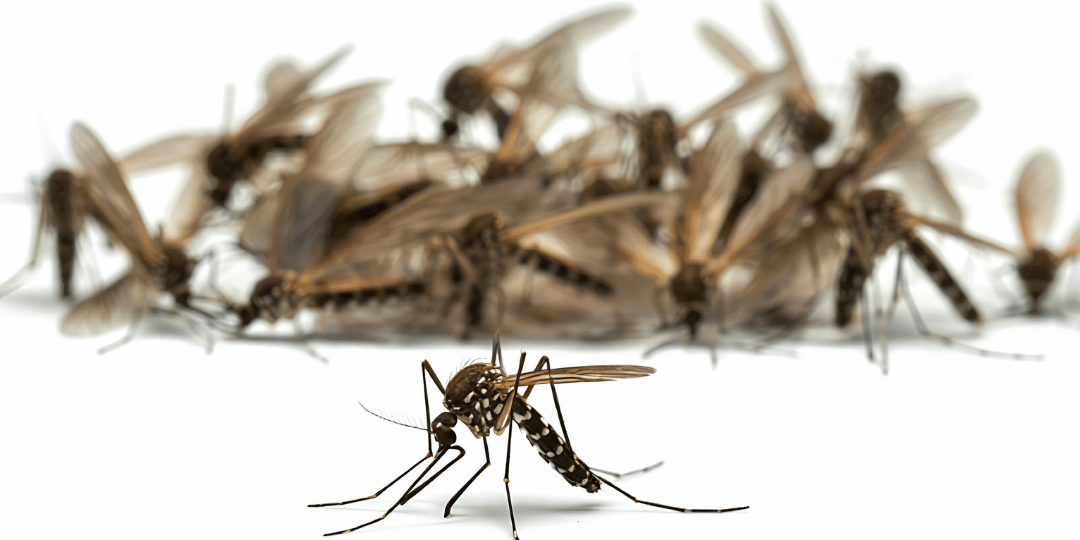
One of the most common mosquito species in the Atlanta area is the Asian tiger mosquito. This species is particularly aggressive during daylight hours and thrives in suburban and urban environments. It does not require large bodies of water to breed, which makes it especially well suited to residential areas where small containers, gutters, and plant saucers can collect rainwater.
Key factors that drive mosquito activity in Atlanta include:
- Heavy rainfall that creates frequent standing water
- Dense tree canopy that provides shaded resting areas
- Urban creek systems that overflow during storms
- Residential landscaping and irrigation systems
- Warm temperatures that accelerate mosquito life cycles
Because these conditions are present across much of the Atlanta metro area, from Buckhead to Sandy Springs and into surrounding suburbs, mosquito pressure tends to remain consistent throughout the warmer months. This is why many homeowners begin looking for more reliable mosquito treatment for yard solutions that go beyond temporary relief and address the ongoing environmental conditions that support mosquito growth.
What Is the Best Thing to Kill Mosquitoes in Your Yard
When Atlanta homeowners ask what the best thing is to kill mosquitoes in the yard, they are usually looking for a solution that works quickly and holds up in real outdoor conditions. In a city like Atlanta, where warm humid weather and significant rainfall are common from spring through fall, the answer depends on both timing and consistency.
DIY options such as citronella candles, sprays, and citronella based products can provide short term relief in small outdoor areas. These methods may help reduce mosquito activity temporarily during gatherings in places like Buckhead patios or Sandy Springs backyards, but their effectiveness tends to fade quickly in Atlanta’s climate. Frequent rain and high humidity reduce how long these products remain effective outdoors.
Yard sprays and fogging treatments are another common approach. These can reduce mosquito populations for a short period, especially after heavy rainfall or storms that create standing water around Midtown or Old Fourth Ward neighborhoods. However, because Atlanta’s environment allows mosquitoes to repopulate quickly, results often require frequent reapplication.
The most effective mosquito treatment for yard spaces in Atlanta is typically a consistent Mosquito Control strategy that targets both adult mosquitoes and their breeding environments. This is especially important in areas like Buckhead and Sandy Springs, where tree cover and landscaping create ideal resting conditions, and in neighborhoods near urban creeks where moisture levels remain high.
In real world conditions, the best results come from reducing mosquito populations at the source while maintaining ongoing treatment throughout the season. This is why many homeowners eventually move beyond one time solutions and look for more structured approaches that provide consistent coverage rather than temporary reduction.
Ultimately, the best way to kill mosquitoes in Atlanta yards is not a single product, but a combination of ongoing treatment and environmental management that matches the city’s climate and rainfall patterns.
Is It Worth Getting Your Yard Sprayed for Mosquitoes
For many Atlanta homeowners, yard spraying is one of the first mosquito treatment for yard options they try when mosquito activity becomes noticeable. The question is whether it is actually worth the effort and cost, especially in a climate like Atlanta where warm temperatures and frequent rainfall support mosquito growth for much of the year.
In neighborhoods like Buckhead and Sandy Springs, yard spraying can provide short term relief by reducing adult mosquito populations in targeted outdoor areas. This can be helpful after heavy rain events when mosquito activity spikes quickly. However, the effectiveness of spraying is often limited by how quickly conditions reset in Atlanta’s environment.
Because Atlanta experiences significant rainfall throughout the warmer months, new standing water can form soon after treatment. Urban creeks and drainage systems in areas like Midtown and Old Fourth Ward also contribute to ongoing moisture that supports mosquito breeding. This means that even after a yard is treated, mosquitoes can return relatively quickly if surrounding conditions are not addressed.
Another factor is vegetation density. Many Atlanta neighborhoods are heavily wooded, and properties often have mature landscaping that provides shaded resting areas for mosquitoes. In places like Buckhead, this can reduce how long yard sprays remain effective because mosquitoes can quickly move back into treated spaces from nearby untreated areas.
Key considerations for yard spraying in Atlanta include:
- Treatments may provide short term reduction in mosquito activity
- Frequent rainfall can shorten effectiveness periods
- Dense tree cover can limit long term impact
- Nearby untreated areas can lead to quick reinfestation
- Multiple applications are often needed during peak season
Because of these factors, yard spraying alone is usually not enough for long term Mosquito Control in Atlanta. It can be part of a broader strategy, but homeowners often find better results when it is combined with more consistent treatment methods that address mosquito pressure throughout the season rather than only after it appears.
Can You Treat Your Lawn for Mosquitoes
Yes, you can treat your lawn for mosquitoes, but in Atlanta the effectiveness depends heavily on timing, consistency, and environmental conditions. Because the city experiences warm humid weather and significant rainfall throughout much of the year, mosquito treatment for yard areas often needs to account for frequent resets in conditions caused by storms.
In neighborhoods like Buckhead and Sandy Springs, lawn treatments are commonly used to reduce mosquito populations in grassy areas where adults rest during the day. These treatments typically target shaded areas, thick vegetation, and the edges of landscaping where moisture tends to linger. However, Atlanta’s dense tree canopy and regular rainfall can reduce how long a single treatment remains effective.
After heavy rain, especially in areas near urban creeks in Midtown and Old Fourth Ward, standing water can reappear quickly in low spots and drainage areas. This creates new breeding opportunities even after a lawn has been treated. As a result, mosquito populations can rebound faster than in drier climates.
In addition, Atlanta’s geography as a city in a forest means many residential lawns are surrounded by trees and vegetation that provide continuous mosquito habitat. This is especially true in established neighborhoods where shade and irrigation systems create humid microclimates that support mosquito activity.
Key limitations of lawn mosquito treatments in Atlanta include:
- Reduced effectiveness after frequent rainfall
- Rapid mosquito rebound from nearby untreated areas
- Continued breeding in shaded or hidden water sources
- Ongoing pressure from surrounding vegetation and creeks
- Need for repeated applications during peak mosquito season
While lawn treatments can be part of a Mosquito Control strategy, they are often most effective when used as part of a broader approach that addresses both the yard and surrounding environment. In Atlanta’s climate, relying on lawn treatment alone often provides temporary relief rather than long lasting reduction in mosquito activity.
Do Mosquitoes Like Certain People and What Actually Attracts Them
One of the most common myths about mosquitoes in Atlanta is that they prefer certain types of people based on appearance, such as body size or other physical traits. In reality, mosquitoes are not attracted to people based on whether someone is “fat or skinny.” Instead, they are drawn to a combination of biological and environmental factors that are especially noticeable in warm, humid cities like Atlanta.
In areas like Buckhead and Sandy Springs, where outdoor dining, patios, and evening activities are common, people often notice mosquito activity more during certain times of day. This is because mosquitoes are highly responsive to carbon dioxide, body heat, and natural skin odors. When people gather outdoors in Midtown or Old Fourth Ward during warm evenings, these signals become more concentrated, which can increase mosquito activity in the immediate area.
Atlanta’s climate also plays a role. The combination of warm temperatures and significant rainfall creates ideal conditions for mosquitoes to thrive. After storms, humidity levels rise and standing water increases, which leads to higher mosquito populations across the metro area. This means that attraction is less about individuals and more about environmental conditions that make mosquitoes more active overall.
Key factors that actually attract mosquitoes include:
- Carbon dioxide released when people breathe
- Body heat and movement
- Sweat and natural skin odors
- Moist, shaded outdoor environments
- Standing water and nearby breeding sites
Color can also influence mosquito behavior to a limited extent. Darker colors tend to absorb more heat, which can make people slightly more noticeable to mosquitoes in outdoor settings. However, in Atlanta’s environment, this effect is minor compared to the impact of humidity, temperature, and overall mosquito population levels.
The Asian tiger mosquito, which is common throughout Atlanta, is especially aggressive during daylight hours and is highly adapted to urban environments. This makes areas with dense vegetation, such as Buckhead and Sandy Springs, more prone to noticeable mosquito activity regardless of individual characteristics.
Ultimately, mosquitoes are not selective based on body type. In Atlanta, attraction is driven by environmental conditions and natural biological signals that become more intense during warm, humid, and rain heavy periods throughout the season.
Why MosquitoNix Mosquito Misting Systems Are Used in Atlanta Homes
For homeowners across Atlanta, especially in high pressure mosquito areas like Buckhead and Sandy Springs, finding a consistent mosquito treatment for yard spaces often becomes a priority after repeated cycles of rain and heat. The city’s warm humid weather, combined with significant rainfall and dense tree cover, creates conditions where mosquitoes can remain active for most of the year.
MosquitoNix Mosquito Misting Systems are designed to address these conditions with a structured approach to Mosquito Control. Instead of relying on one time applications that may lose effectiveness after storms, these systems provide scheduled treatments that help reduce mosquito populations around the home environment over time. This is particularly valuable in Atlanta neighborhoods like Midtown and Old Fourth Ward, where urban creeks and stormwater runoff can quickly recreate mosquito breeding conditions after rainfall.
In suburban areas such as Buckhead and Sandy Springs, landscaping and tree canopy density create shaded environments where mosquitoes can rest during the day. A misting system helps treat these areas consistently, targeting common mosquito resting zones such as hedges, fences, and shaded yard perimeters. This ongoing coverage helps reduce mosquito activity before it becomes overwhelming during peak season.
Homeowners also value how MosquitoNix systems integrate with additional service options like QuickNix Mosquito Treatments. These treatments can be used when mosquito populations spike rapidly after heavy rain or extended periods of warm weather, providing a faster response during high activity periods.
Key reasons Atlanta homeowners choose MosquitoNix include:
- Consistent, scheduled mosquito treatment throughout the season
- Targeted coverage for shaded and landscaped areas
- Support for high rainfall and storm influenced environments
- Ability to respond to sudden mosquito population increases
- Compatibility with long term Mosquito Control strategies
Because Atlanta is a city in a forest, environmental conditions rarely stay static. Warm temperatures, frequent rainfall, and dense vegetation all contribute to ongoing mosquito pressure. MosquitoNix Mosquito Misting Systems are used by homeowners who want a more consistent approach to managing these conditions and maintaining more usable outdoor spaces throughout the season.
Building a Consistent Mosquito Treatment Strategy for Atlanta Yards
Managing mosquitoes in Atlanta is not a one time task. It is an ongoing part of maintaining outdoor spaces in a city where warm humid weather, significant rainfall, and dense tree cover create ideal conditions for mosquito activity. From Buckhead and Sandy Springs to Midtown and Old Fourth Ward, homeowners deal with mosquito pressure that can increase quickly after storms and persist throughout much of the year.
The combination of urban creeks, shaded neighborhoods, and frequent rain means that mosquito populations can rebuild rapidly even after treatment. This is why simple, short term mosquito treatment for yard solutions often provide only temporary relief. Atlanta’s environment requires a more consistent approach that accounts for changing weather patterns and continuous breeding cycles.
Understanding how mosquitoes behave in this environment helps homeowners make more informed decisions. Warm temperatures accelerate mosquito development, while rainfall creates new breeding sites across residential and urban areas. In a city as naturally lush as Atlanta, these conditions are always present to some degree.
MosquitoNix Atlanta helps homeowners take a more structured approach to Mosquito Control with Mosquito Misting Systems designed to provide consistent treatment throughout the season. For times when mosquito activity spikes after heavy rain or extended warm periods, QuickNix Mosquito Treatments offer an additional layer of support to help restore outdoor comfort more quickly.
If mosquitoes are limiting how often you enjoy your backyard, it may be time to move beyond temporary solutions and consider a more consistent strategy.
Contact MosquitoNix Atlanta today to learn how a customized mosquito control plan can help you take back your yard and enjoy outdoor living in Atlanta throughout the season.